
Cambridge IGCSE Business 0264
Still teaching 0450? The 0450 Complete Bundle stays available until the final 0450 exam in November 2026.
Cambridge IGCSE Business 0264 is the new syllabus, examined for the first time in 2027 and covering the 2027, 2028 and 2029 exam series. The 28 lessons below cover all six units and teach each topic through a real business, from a cocoa cooperative in Indonesia to Google, McDonald’s, Zara and Costco, with a video case study and discussion questions, learning checks and an exit ticket in every lesson, and a teacher answer key for each lesson with model answers to every question. They are editable PowerPoints, so you can teach them as they are or change them for your class. The same content also serves Cambridge IGCSE (9-1) Business 0774 and Cambridge O Level Business 7081. What is in the syllabus, how it is examined and what changed from 0450 is in the 0264 syllabus guide.

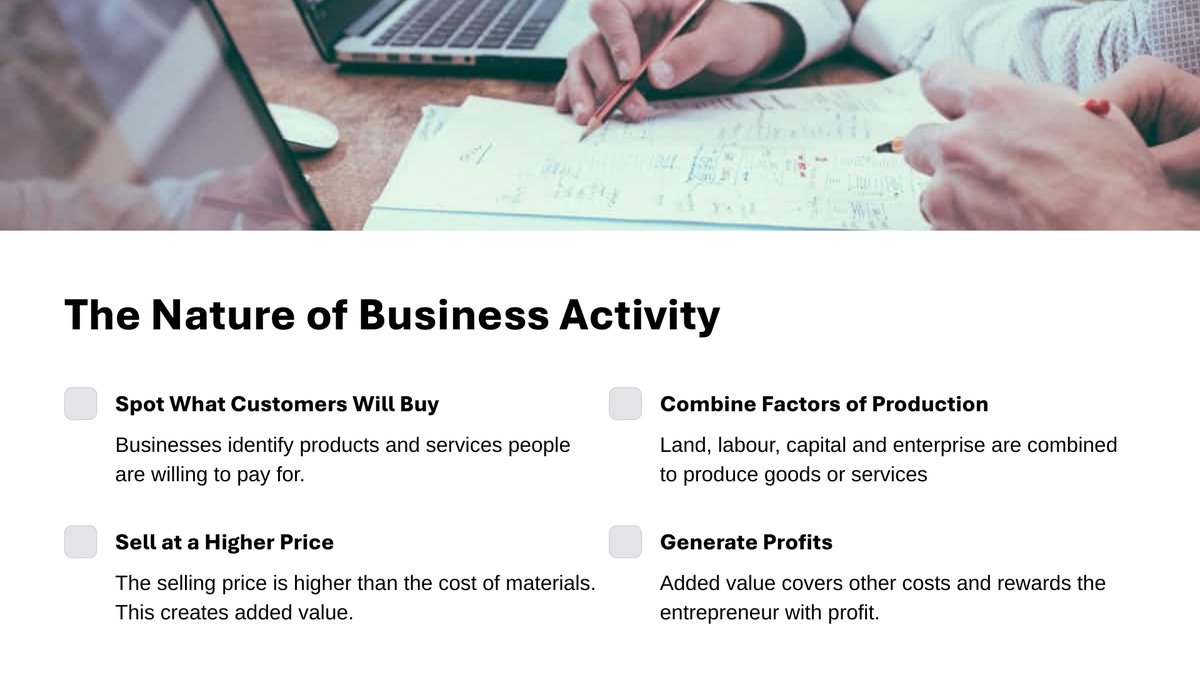
Not sure yet? Lesson 1.1 is free: download the free 1.1 Business Activity lesson, which comes with a teacher answer key.
Unit 1: Understanding business activity
What a business is, economic sectors, enterprise and growth, types of organisation, and objectives. Cases include a cocoa cooperative, Google and a McDonald’s franchise.
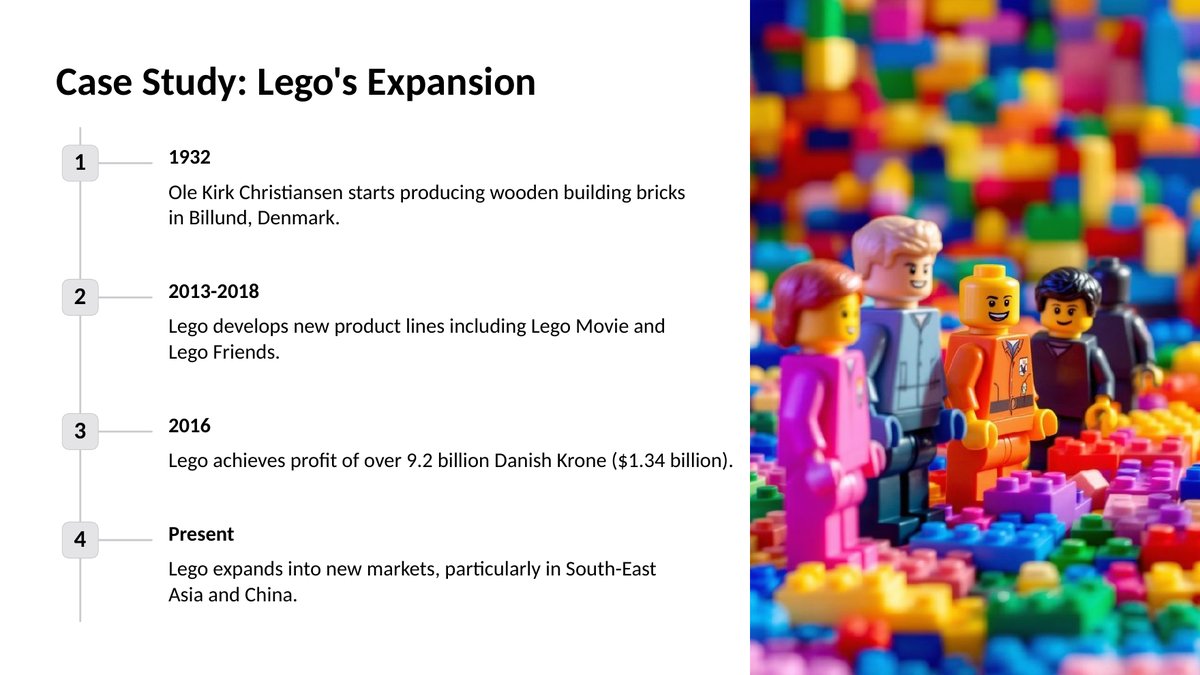
Whole unit: Unit 1, five lessons, 158 slides. All units: 0264 Complete Bundle, 28 lessons.
Unit 2: People in business
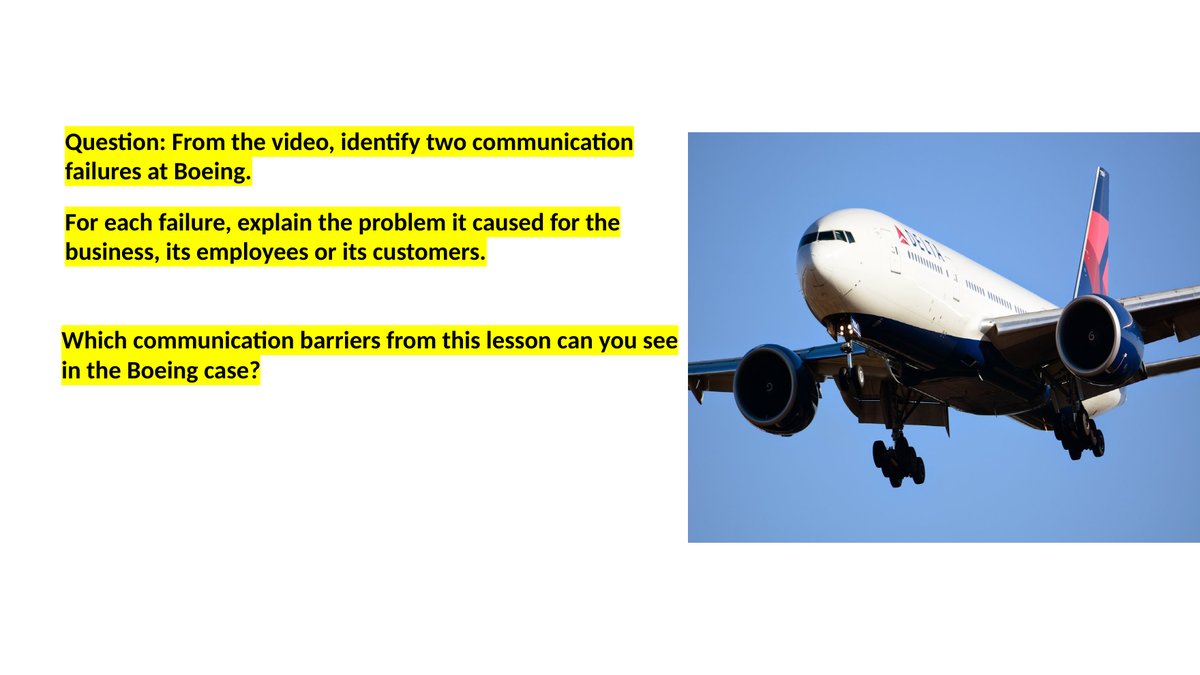
Human resources, organisation and management, communication, and motivation, including Maslow, Taylor and Herzberg. Cases include DreamWorks and Zara.
| Lesson | Title | TES listing |
|---|---|---|
| 2.1 | Human Resource Management | View lesson |
| 2.2 | Organisation and Management | View lesson |
| 2.3 | Methods of Communication | View lesson |
| 2.4 | Motivating Employees | View lesson |
Whole unit: Unit 2, four lessons, 140 slides. All units: 0264 Complete Bundle, 28 lessons.
Unit 3: Marketing
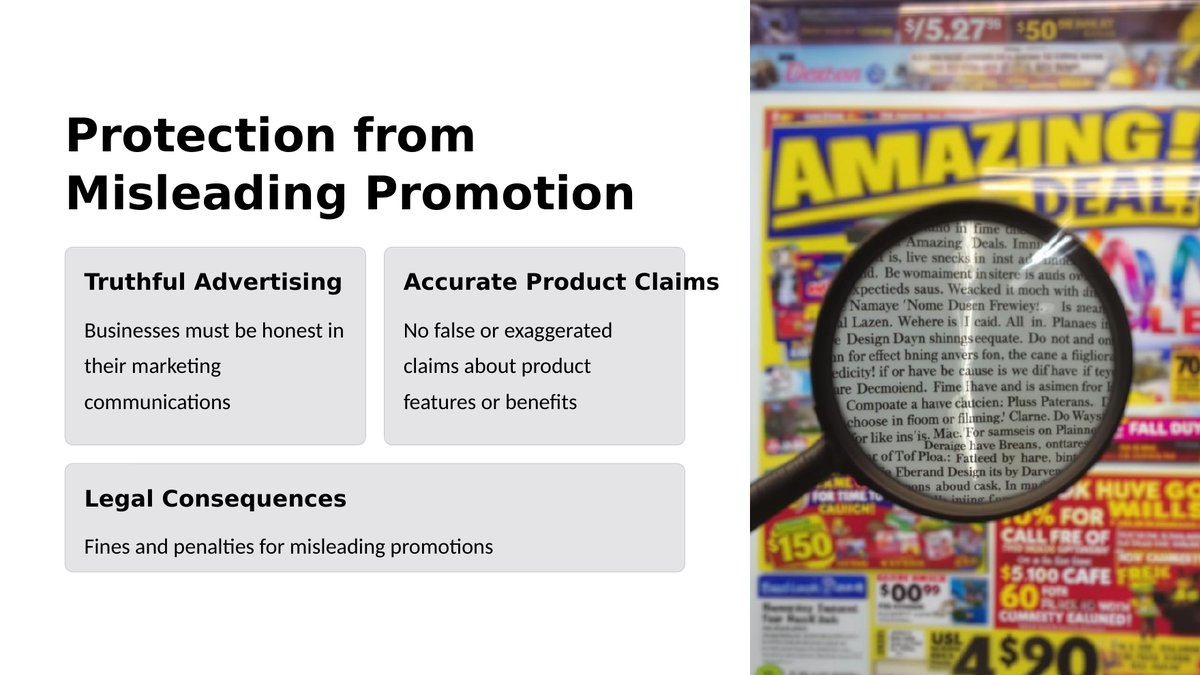
Markets and customers, market research, the marketing mix, and marketing strategy and legal controls. Cases include Emirates, Uber and Costco.
| Lesson | Title | TES listing |
|---|---|---|
| 3.1 | Marketing and the Market | View lesson |
| 3.2 | Market Research | View lesson |
| 3.3 | Marketing Mix | View lesson |
| 3.4 | Marketing Strategy and Legal Controls | View lesson |
Whole unit: Unit 3, four lessons, 137 slides. All units: 0264 Complete Bundle, 28 lessons.
Unit 4: Operations management
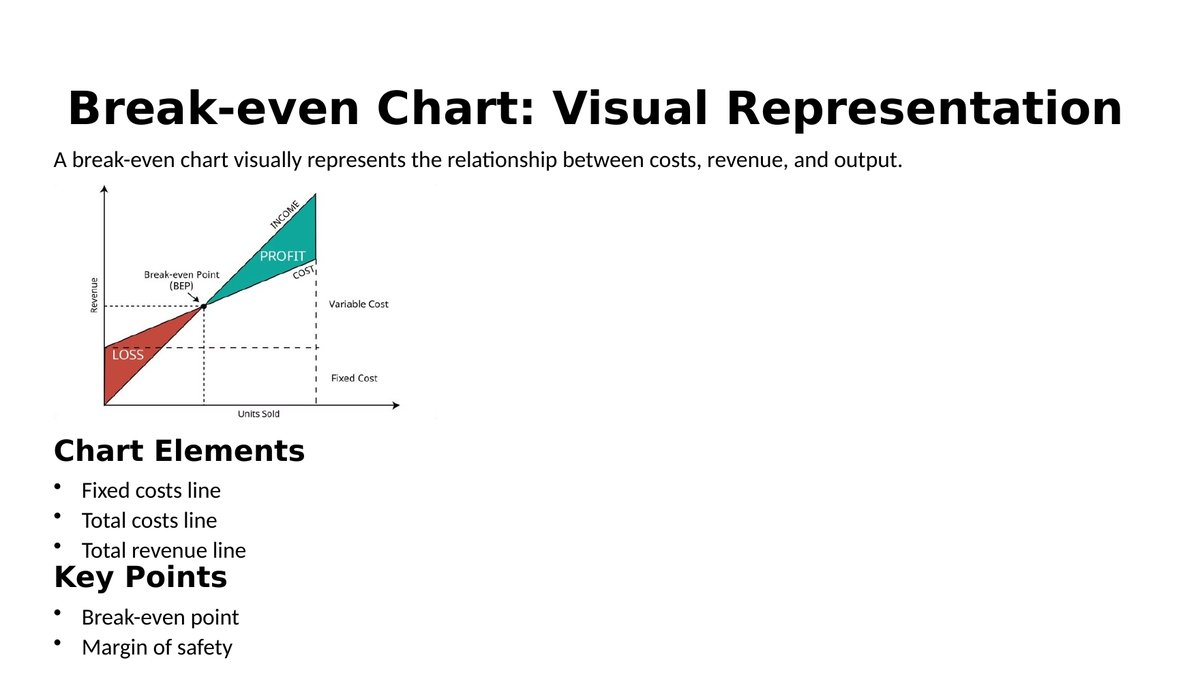
Production, technology, sustainability, costs and break-even, quality, and location. Break-even is taught through a worked case, with three learning checks in the lesson.
Whole unit: Unit 4, six lessons, 140 slides. All units: 0264 Complete Bundle, 28 lessons.
Unit 5: Financial information and decisions
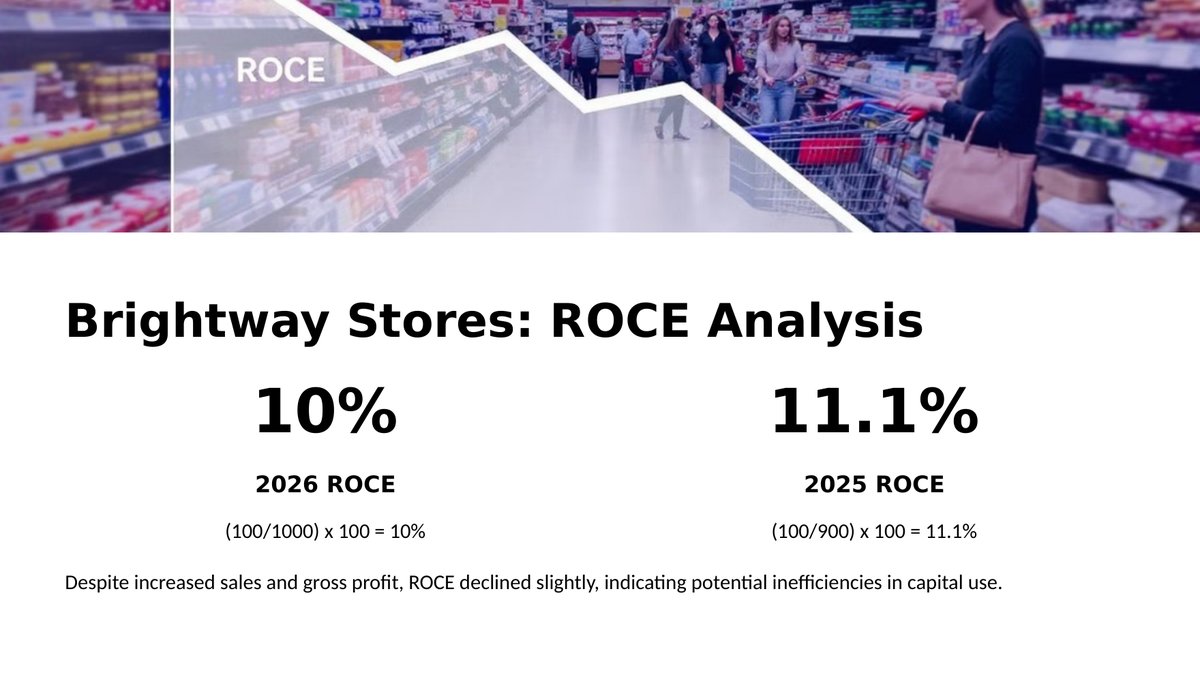
Sources of finance, cash flow forecasts, profit and loss, the statement of financial position, and analysis of accounts. Students complete and amend a real forecast rather than construct one, in line with the syllabus.
Whole unit: Unit 5, five lessons, 131 slides. All units: 0264 Complete Bundle, 28 lessons.
Unit 6: External influences on business activity
Economic issues, the international economy, environmental and ethical issues, and pressure groups. Cases include Asia Pulp and Paper, Lego and Shell.
| Lesson | Title | TES listing |
|---|---|---|
| 6.1 | Economic Issues | View lesson |
| 6.2 | Business and the International Economy | View lesson |
| 6.3 and 6.4 | Environmental and Ethical Issues | View lesson |
| 6.5 | Pressure Groups | View lesson |
Whole unit: Unit 6, four lessons, 99 slides. All units: 0264 Complete Bundle, 28 lessons.
Guides for this course
0264 scheme of work and pacing guide: 46 weeks, each linked to the lessons above. More guides are listed under Guides. For a strong set, the first three lessons of the 9609 quantitative skills set work as stretch material on costs, profit and break-even.
How to buy
Buy one lesson to try, a whole unit in one download, or the 0264 Complete Bundle, 28 lessons, which is the cheapest way to get the full course. A school licence, which covers every teacher in your department, is available at checkout on TES.
All listings: A Level Tips shop on TES.